
How to Clean Your TV Screen Without Streaks?
A Pro Cleaner's Guide
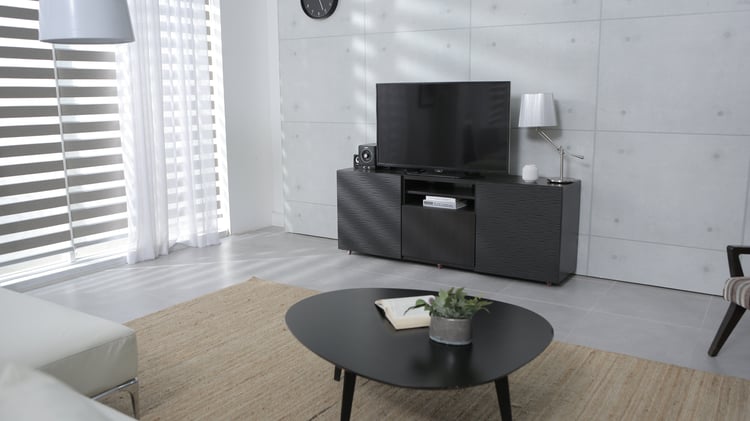
Your TV screen is one of the most touched — and least cleaned — surfaces in your home. Fingerprints, dust, and smudges accumulate fast, and most people either ignore them or reach for the wrong product and end up with streaks that are worse than the original mess. At Sparkling Clean Services LLC, we clean homes and businesses across Birmingham, Alabama every day, and we know exactly what works — and what absolutely doesn't — when it comes to delicate surfaces like TV screens.
This guide will walk you through the right way to clean any TV screen without leaving a single streak, scratch, or residue behind.
Why Your TV Screen Is Harder to Clean Than You Think
Modern flat screens — whether OLED, QLED, LED, or plasma — have delicate anti-reflective and anti-glare coatings that are easily damaged by the wrong cleaning products. Unlike the thick glass screens of older televisions, today's screens can be permanently scratched by rough cloths or chemically damaged by household cleaners.
The three most common mistakes homeowners make:
- Using paper towels or regular cloth — both are too abrasive and will scratch the screen coating over time
- Spraying liquid directly on the screen — liquid can seep into the edges and damage internal components
- Using Windex, alcohol, or ammonia-based cleaners — these strip anti-reflective coatings permanently
What You'll Need Before You Start
You don't need expensive equipment. Here's the short list:
- A dry microfiber cloth (the same type used for eyeglasses — clean and lint-free)
- Distilled water (tap water contains minerals that leave white residue when dry)
- A second dry microfiber cloth for the final buff
- Optional: a screen-specific cleaning spray labeled safe for LCD/OLED/QLED screens
That's it. No sprays, no paper, no household cleaners.
Step-by-Step: How to Clean a TV Screen Without Streaks
Step 1 — Turn Off the TV and Let It Cool
Always start with the TV powered off and cooled down. A dark screen makes dust and smudges far easier to see, and cleaning a warm screen increases the risk of streaking. Give it at least 10 to 15 minutes after turning it off.
Step 2 — Dry Dust First
Take your dry microfiber cloth and gently wipe the entire screen in one direction — either top to bottom or left to right. Use very light pressure. The goal here is simply to lift loose dust off the surface before introducing any moisture.
Never use a circular motion. Circular wiping pushes dust and particles across the coating and is the number one cause of micro-scratches on TV screens.
Step 3 — Tackle Smudges and Fingerprints
If dry dusting isn't enough — and with kids or pets in the house, it usually isn't — lightly dampen your microfiber cloth with distilled water. The cloth should be barely damp, not wet. Wring it out thoroughly before touching the screen.
Gently wipe in straight horizontal strokes across the screen. Apply no pressure. The microfiber does the work — you're just guiding it.
Step 4 — Dry Immediately
Follow immediately with your second dry microfiber cloth, wiping in the same direction to remove any remaining moisture before it dries and leaves water marks. This is the step most people skip — and it's the reason most "clean" TV screens still look streaky.
Step 5 — Clean the Frame and Stand
Don't forget the bezel (the frame around the screen) and the stand. These can be cleaned with a lightly damp cloth and a small amount of mild soap, but keep any moisture well away from the screen itself and the ventilation slots on the back.
A Note on Cleaning Frequency
For a TV in daily use in a Birmingham household, a light dry dust once a week and a full damp clean once a month is more than enough to keep the screen looking its best. In homes with children or pets, you may need to clean fingerprints every few days — but the method stays the same.
When Cleaning Is Part of a Bigger Picture
Knowing how to clean a TV screen without streaks is a useful skill — but a truly clean home is more than one surface. At Sparkling Clean Services LLC, we provide professional home cleaning and commercial cleaning services across Birmingham, Alabama for homeowners, offices, and businesses that want consistent, reliable results in every room, every visit.
From living rooms to break rooms, our trained cleaning professionals handle the details so you don't have to.
FAQ
Q: Can I use Windex or glass cleaner on my TV screen?
A: No. Windex and most glass cleaners contain ammonia or alcohol, which permanently damage the anti-reflective and anti-glare coatings on modern flat screens. Use only distilled water on a microfiber cloth, or a cleaning spray specifically labeled safe for LCD, OLED, or QLED screens.
Q: What is the best cloth to clean a TV screen?
A: A clean, dry microfiber cloth is the only type of cloth you should use on a TV screen. Microfiber is non-abrasive, lint-free, and designed to lift dust and oils without scratching delicate screen coatings. Paper towels, regular cloths, and even some cleaning wipes are too rough and will cause micro-scratches over time.
Q: How often should I clean my TV screen?
A: For most households in Birmingham, Alabama, a light dry dusting once a week and a full damp clean once a month is sufficient. Homes with children or pets may need to wipe fingerprints every few days. Always use the same gentle method — dry microfiber first, then barely damp microfiber if needed, followed immediately by a dry buff.