
How to Deep Clean Your Washing Machine in Under 30 Minutes?
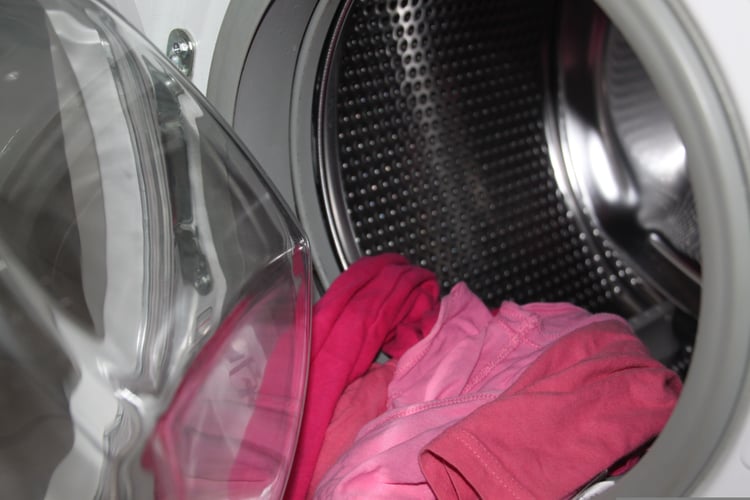
Your washing machine cleans your clothes — but who's cleaning your washing machine? If you've never thought about it, you're not alone. Most homeowners in Birmingham, Alabama don't realize that their washer is one of the dirtiest appliances in the house. Soap residue, hard water deposits, mold, mildew, and bacteria build up inside the drum, the door seal, the detergent drawer, and the filter — and over time, that buildup is what makes your "clean" laundry smell musty straight out of the wash.
The good news: a full deep clean takes less than 30 minutes of active work. At Sparkling Clean Services LLC, we believe a truly clean home starts with clean appliances — and this guide walks you through exactly how to do it right.
Why Your Washing Machine Gets Dirty Faster Than You Think
Every load of laundry leaves something behind. Detergent doesn't fully rinse out. Fabric softener coats the drum walls. Lint and debris collect in the filter. And the warm, damp interior of a front-loader or top-loader is an ideal breeding ground for mold and mildew — especially if you leave the door closed between washes.
The result: a machine that smells bad, transfers odors to your clothes, and over time, washes less effectively. A monthly 30-minute cleaning routine prevents all of this.
What You'll Need
No specialty products required. Everything on this list is probably already in your home:
- White distilled vinegar
- Baking soda
- A microfiber cloth or sponge
- An old toothbrush
- Warm water
- Optional: a commercial washing machine cleaner tablet (like Affresh)
Step-by-Step: Deep Clean Your Washer in Under 30 Minutes
Step 1 — Clean the Detergent Drawer (5 minutes)
Pull the detergent drawer all the way out — most drawers release completely with a press of a tab inside. You'll likely find a buildup of hardened detergent and fabric softener residue, and possibly some black mold spots.
Soak the drawer in warm water for two to three minutes, then scrub every compartment with your old toothbrush. Pay special attention to the softener compartment — that's where mold grows fastest. Rinse thoroughly and set it aside to air dry while you work on the rest of the machine.
While the drawer is out, use your toothbrush to scrub inside the drawer housing — the slot in the machine itself. It's usually even grimier than the drawer.
Step 2 — Wipe Down the Door Seal (5 minutes)
The rubber gasket around the door of a front-loading washer is the single most common source of washing machine odor. Moisture and lint get trapped in the folds, and black mold grows quickly in those hidden creases.
Pull back the folds of the gasket and wipe thoroughly with a microfiber cloth dampened with white vinegar. For visible mold spots, apply a small amount of undiluted white vinegar directly, let it sit for two minutes, then scrub with the toothbrush and wipe clean.
For top-loaders, wipe around the entire rim of the drum where the lid meets the tub — debris collects there too.
Step 3 — Run a Hot Cleaning Cycle (15 minutes active setup, machine runs itself)
For front-loaders:
Pour two cups of white distilled vinegar directly into the detergent drawer. Set the machine to the hottest, longest cycle available — usually "Sanitize," "Clean," or "Heavy Duty." Start the cycle and let it run.
Halfway through the cycle (or immediately after if your machine doesn't pause), add half a cup of baking soda directly into the drum and let the cycle complete. The vinegar breaks down mineral deposits and kills bacteria; the baking soda neutralizes odors and scrubs the drum walls.
For top-loaders:
Fill the drum with hot water on the largest load setting. Add two cups of white vinegar, let the machine agitate for one minute, then pause it and let the solution soak for 30 minutes. Restart and complete the cycle. Then run a second short cycle with half a cup of baking soda.
Step 4 — Clean the Filter (5 minutes)
This step is the one most people skip entirely — and it's the one that makes the biggest difference in how well your machine performs.
On front-loaders, the filter is typically located behind a small access panel at the bottom front of the machine. Place a towel on the floor, open the panel, and slowly unscrew the filter cap — water will drain out, so go slowly. Remove the filter, rinse it under warm running water, use the toothbrush to scrub off any debris, and reinstall.
On top-loaders, the filter is often located inside the agitator or along the rim of the drum. Consult your manual if you're not sure where to find it.
Step 5 — Wipe Down the Exterior (5 minutes)
Finish by wiping down the outside of the machine — the top, sides, front panel, and control knobs — with a damp microfiber cloth. A small amount of all-purpose cleaner works fine here since you're not touching any internal components.
Leave the door or lid open after every wash going forward. It's the single easiest habit that prevents mold and odor from coming back.
How Often Should You Do This?
Monthly: the full 30-minute routine above.
Weekly: wipe the door seal and leave the door open after every load.
Every 3 months: deep clean the filter and run a vinegar cycle.
If you notice your laundry smelling musty immediately after washing, that's your machine telling you it's overdue for a clean.
Clean Appliances, Clean Home
Knowing how to maintain your appliances is part of keeping a genuinely clean home — not just a surface-level tidy one. At Sparkling Clean Services LLC, we provide professional home cleaning and commercial cleaning services throughout Birmingham, Alabama, with the same level of attention to detail in every space we clean — from your laundry room to your office break room.
FAQ
Q: Can I use bleach instead of vinegar to clean my washing machine?
A: You can use bleach for a sanitizing cycle, but never combine it with vinegar — mixing the two creates toxic chlorine gas. Vinegar is generally preferred for routine monthly cleaning because it dissolves mineral deposits, kills mold and bacteria, and is safe for all machine components. If you want to use bleach, run a separate cycle with half a cup of bleach and no other products, then follow with a plain rinse cycle.
Q: Why does my laundry still smell after washing?
A: If your clothes smell musty right out of the washer, the problem is almost always the machine itself, not the detergent. Mold and mildew inside the drum, door seal, detergent drawer, or clogged filter transfer odor directly to your laundry. A full deep clean using the vinegar and baking soda method — including scrubbing the door gasket and cleaning the filter — will eliminate the source of the smell. Going forward, leave the door open between washes to allow the interior to dry out.
Q: How often should I clean my washing machine in Birmingham, Alabama?
A: In Birmingham's humid climate, we recommend a full deep clean once a month. The high humidity in Alabama accelerates mold and mildew growth inside front-load washers especially. Weekly maintenance — wiping the door seal and leaving the door open after each use — dramatically reduces how often a full deep clean is needed.